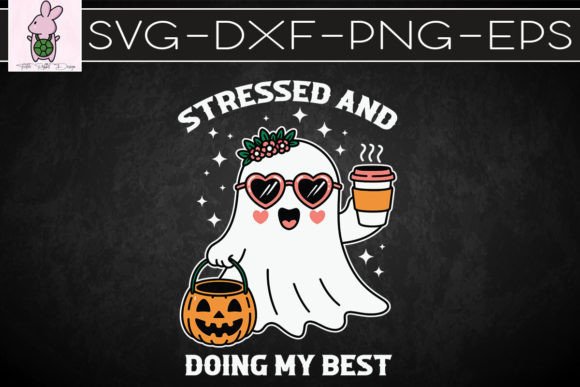
Stressed and Doing My Best Funny SVG
A Designer’s First Look: Charm with a Sigh
When I opened Stressed and Doing My Best Funny SVG, my first thought wasn’t “cute” — it was “relatable.” That’s the strength of this design: it lands emotionally before it lands visually. The hand-drawn, slightly uneven lettering feels human — not overly polished, not coldly digital. There’s gentle curve to the baseline, subtle weight variation in the strokes, and just enough irregularity to suggest effort, not error. It’s not sarcastic or cynical; it’s warm, self-aware, and quietly resilient. For embroidery designers building collections around authenticity — think handmade totes for teachers, nurse-themed aprons, or mom-life pillow covers — this isn’t just decoration. It’s a tiny affirmation stitched into fabric.
Where This Design Truly Shines (and Where It Needs Care)
I tested Stressed and Doing My Best Funny SVG as the centerpiece on a medium-weight cotton canvas tote bag — the kind small shops use for craft fairs or boutique gifting. At 3.5 inches wide, it stitched cleanly with balanced satin stitch edges and light fill stitch density. The phrase read clearly from six feet away, and customers paused to smile, then say, “That’s me right now.” That emotional resonance is gold for Etsy sellers and handmade shop owners.
It also worked well on a relaxed-fit crewneck sweatshirt — but only when placed on the chest, centered, with medium-weight cutaway stabilizer underneath. The design’s moderate height (no towering capitals) avoids distortion across the chest curve, and its open letter spacing prevented thread nesting in tight corners. As an embroidered patch? Excellent. Clean outlines hold up after heat-sealing and washing, especially when paired with a simple border stitch.
But here’s where judgment matters: Stressed and Doing My Best Funny SVG isn’t ideal for baby onesies or thin jersey tees without careful prep. The lowercase “e” and “t” have narrow counters — those inner spaces can close up if stitch density is too high or stabilizer too light. On dark fabric, I recommend testing thread colors with matte poly or rayon — glossy threads can flatten the design’s soft personality. And on caps? Skip the crown. The curve distorts the phrase’s rhythm. Go for the side or back panel instead.
Real-World Fit Across Your Craft Business
For apparel decorators and custom embroidery shops, this design slots neatly into mid-tier personalization: not too complex to price out of reach, not so simple it feels generic. It pairs naturally with minimalist icons — a tiny coffee cup, a wilted plant, a scribbled heart — for cohesive holiday embroidery or teacher appreciation bundles.
Etsy sellers will find it versatile in listings: use the PNG with transparent background for clean printable mockups, pair the SVG with lifestyle photos of finished tote bags or kitchen towels, and lean into the relatable tone in product titles and tags. As a digital embroidery file, it supports quick turnaround for personalized gifts — think graduation, new job, or “surviving toddlerhood” bundles.
It also works subtly in nursery decor — stitched onto a linen wall hanging or quilt label — because it avoids infantilizing language while still feeling tender. That duality makes it useful for wedding gifts too: imagine it on a linen napkin set for the couple who’s planning everything while holding down full-time jobs.
What This Design Says About Your Brand (Without Saying a Word)
Using Stressed and Doing My Best Funny SVG signals that your craft business values honesty over perfection. It builds trust with buyers who scroll past overly curated feeds and pause for something real. That authenticity lifts perceived value — a $28 embroidered tea towel feels like a thoughtful, human-made product, not mass-produced decor. It also encourages engagement: customers tag friends, share stories in reviews, and return for matching items. That’s repeat business rooted in voice, not just visuals.
Practical Embroidery Designer Notes Before You Stitch
- Always test first — stitch Stressed and Doing My Best Funny SVG on scrap fabric matching your final project’s weight and stretch.
- Check thread color contrast — especially on textured or dark fabrics. A soft heather gray thread on navy reads warmer and more intentional than stark white.
- Review stitch density — if your machine allows, reduce fill density slightly for lightweight fabrics to prevent stiffness.
- Confirm hoop size compatibility — while described as “cup-sized,” verify the actual dimensions in your software before loading.
- Inspect small details — zoom in on the lowercase “a” and “s” — are inner curves clean? If not, adjust underlay or reduce pull compensation.
- Test black-and-white mockups — this design relies on shape and rhythm, not color, so grayscale previews reveal clarity issues fast.
- Use proper stabilizer — cutaway for knits, tear-away for stable wovens, and avoid topping unless stitching on terrycloth or heavy texture.
- Verify licensing — since this is a Graphics product intended for Crafts, confirm whether commercial use (selling finished embroidered items or digital resale) is permitted before listing on Etsy or at craft fairs.
Final Thought: Not Just a Phrase — a Practical Design Choice
Stressed and Doing My Best Funny SVG won’t replace your technical go-tos — no dense floral motifs or intricate monograms here. But it fills a quiet, important gap: a design that stitches reliably, communicates clearly, and connects instantly. It’s the kind of embroidery file you reach for when you need warmth, wit, and wearability — all in one clean, software-friendly package. For designers who build businesses on trust, tone, and tactile quality, it’s less of a “funny graphic” and more of a thoughtful tool.