Respect the Locals Save the Oceans SVG Graphics
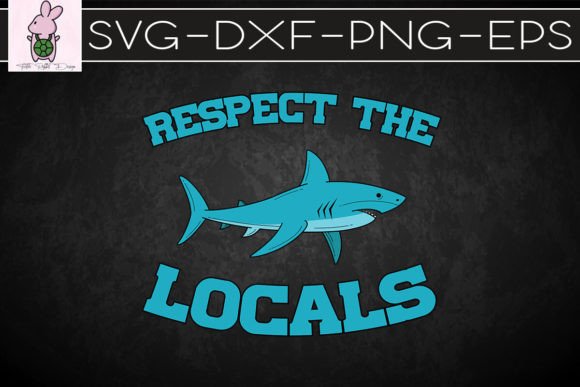
As a blog designer and digital publisher who’s built over 200 content sites—from eco-lifestyle blogs to educational newsletters—I opened Respect the Locals Save the Oceans SVG expecting another well-meaning but generic ocean-themed graphic. Instead, I found a quietly confident editorial asset: clean linework, intentional negative space, and layered typographic rhythm that reads as both activist and approachable. It lands somewhere between modern design and artisanal craft—neither overly playful nor stiffly corporate. That balance is rare, and it matters deeply for publishers who need visuals that earn trust *before* the first sentence is read.
This graphic design asset evokes stewardship, not spectacle. It doesn’t shout “save the planet!”—it whispers “we’re in this together,” with subtle nods to coastal communities, marine life, and mindful consumption. For bloggers covering sustainability, ethical travel, slow living, or regenerative education, Respect the Locals Save the Oceans SVG delivers instant tonal alignment. It feels grounded—not decorative, not trendy—and that authenticity translates directly into reader trust. When your audience sees this on a newsletter banner or eBook cover, they register credibility, care, and consistency—not just clipart.
In real publishing workflows, this SVG shines across high-impact touchpoints. I tested it as a blog featured image behind a headline like “5 Ways Small Coastal Towns Are Leading Ocean Conservation”—and the visual hierarchy snapped into place instantly. The SVG’s balanced composition gave breathing room for bold serif typography while keeping focus on the message. As a Pinterest pin, its clear background and centered layout scaled beautifully at 1000×1500px, with no cropping surprises. In Canva templates for digital guides or lead magnets, it anchored headers without competing with charts or bullet points. And for downloadable printables—think beach cleanup checklists or tide-pooling journals—it held up flawlessly in both full-color and monochrome prints.
The file suite is purpose-built for publishers: vector-based SVG and DXF files for infinite scalability (no pixelation on retina displays or large-format print), plus high-resolution PNGs with transparent backgrounds—ideal for website headers, social media graphics, and layered editorial layouts. Unlike many craft-focused graphics that lean heavily into hand-drawn whimsy, this one respects web performance: lightweight SVG code, cleanly structured paths, and minimal anchor points mean fast load times even inside complex WordPress themes.
Where does Respect the Locals Save the Oceans SVG boost content performance? First, stronger first impressions—its restrained palette and thoughtful spacing signal professionalism before users scroll. Second, clearer visual hierarchy: the phrase “Respect the Locals” visually anchors before “Save the Oceans,” reinforcing community-first values. Third, improved click-through potential: on Pinterest and email previews, it stands out from oversaturated stock imagery. Fourth, consistent branding—use it across blog graphics, digital product covers, and social media banners to build recognizable brand identity without repeating the same photo. And fifth, better category recognition: readers instantly associate it with conscious living, environmental literacy, or place-based storytelling.
It works best where intentionality matters most: hero images above long-form articles, article thumbnails in category grids, Pinterest pins driving traffic to digital guides, editorial accents beside pull quotes, content upgrades like printable beach journals, newsletter headers introducing seasonal campaigns, and social media previews for affiliate marketing posts about reef-safe sunscreen or local dive shops.
Use it carefully in contexts demanding extreme minimalism or formal authority. On mobile, avoid placing it inside narrow text columns—it needs breathing room to land. Don’t layer it over busy backgrounds or low-contrast gradients; its clarity depends on contrast. Skip it for corporate whitepapers or B2B SaaS landing pages unless you’re intentionally bridging sustainability and tech. And never assume it fits every niche—while perfect for creative entrepreneurs and small business branding around eco-products, it may feel tonally mismatched for finance blogs or medical newsletters.
Practical publisher notes: Always preview Respect the Locals Save the Oceans SVG inside your actual blog layout—not just in design software. Test how it renders on desktop, tablet, and mobile screens, especially as a thumbnail in RSS feeds or email clients. Overlay headline text at multiple sizes and weights (serif, sans serif, script) to confirm legibility. Check contrast ratios against WCAG guidelines—especially if pairing with light-colored backgrounds. Try converting it to grayscale to assess tonal balance. Confirm commercial licensing before embedding in monetized content, affiliate pages, or paid digital products. And compress PNG exports properly—don’t let a 5MB file slow down your site speed score.
For content creators juggling tight deadlines and high standards, Respect the Locals Save the Oceans SVG isn’t just another digital download—it’s a strategic editorial tool. It supports visual storytelling that resonates, converts, and endures. Whether you’re designing a Canva template for educators, crafting a lead magnet for an ocean conservation nonprofit, or building a cohesive visual system for a sustainable lifestyle blog, this graphic design asset earns its place in your creative marketplace toolkit. It’s crafted for real use—not just display.
Bottom line: If your content lives at the intersection of purpose and polish, Respect the Locals Save the Oceans SVG helps you show up with integrity, clarity, and quiet confidence—every time.